Iranian women are leading the demands for freedom and justice
Far from cowed by authorities’ history of suppression, the women of Iran have been at the forefront of protests in recent years. Even from jail, they keep the spirit of defiance alive.

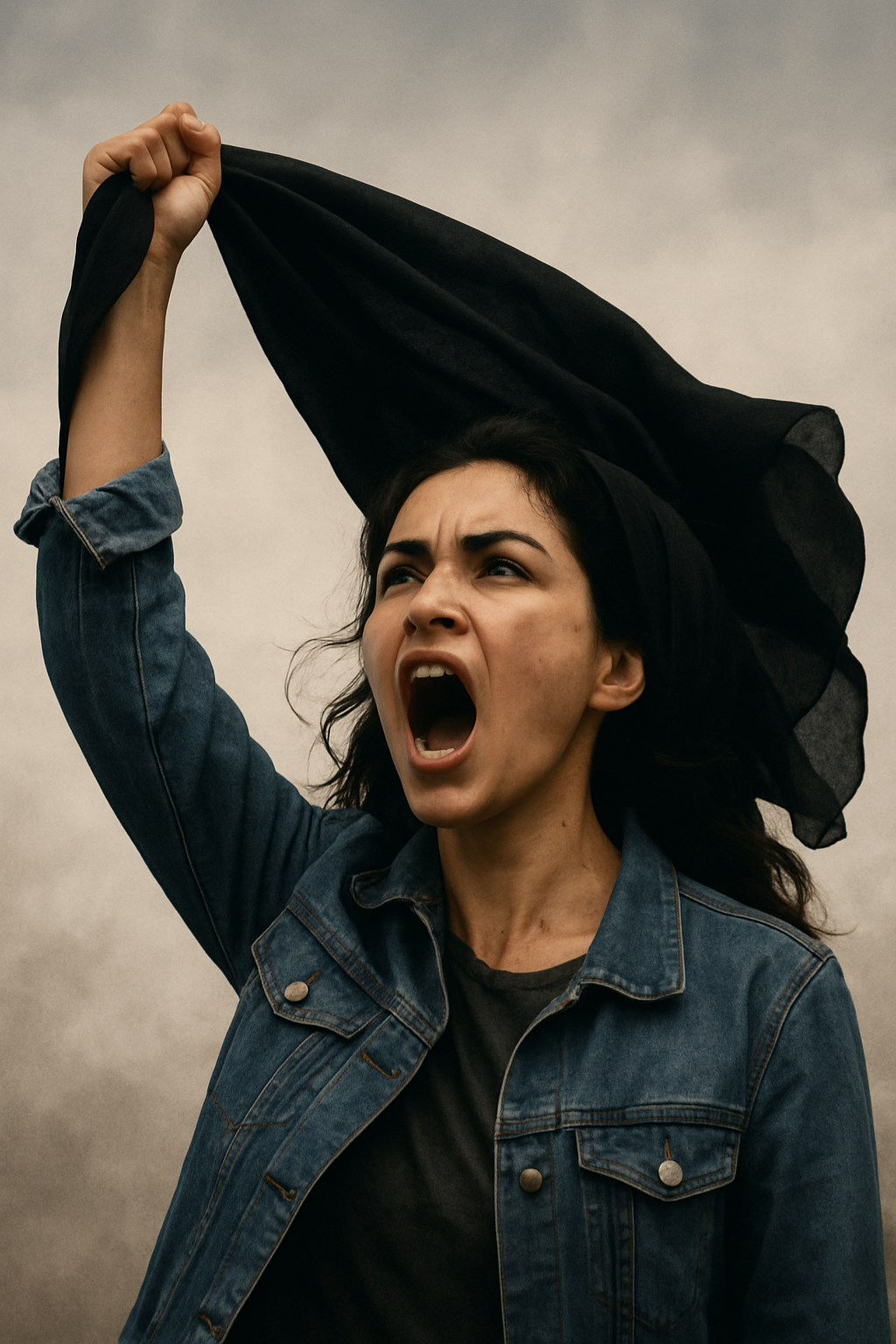
In today’s Iran, women live under one of the most repressive regimes in the world, a theocracy where gender-based discrimination is legal, where the hijab is enforced with brutality, and where dissent is met with prison, torture, or death.
The current regime in Iran has turned the bodies, choices, and voices of women into political battlegrounds. The compulsory hijab, the absence of legal equality in marriage, divorce, inheritance, and custody, and the inability to freely participate in political or social life embody a deeper, systemic misogyny.
Last year, the Iranian government executed 901 people, according to the United Nations. This includes dozens of women. Thousands of Iranians were arrested for political reasons, among them countless women whose only crime was to demand freedom, equality, or simply defy the mandatory hijab.
State execution is not just punishment; it is a tool of fear. Yet despite this calculated violence, Iranian women remain undeterred. From the streets of Tehran to the walls of Evin Prison, they resist with unwavering determination. That resistance is coordinated, sustained, and fuelled by a long history of organised resistance.
Organised resistance
The National Council of Resistance of Iran (NCRI), which has traditionally been based in France and Albania, is led by a woman—Maryam Rajavi. NCRI is sometimes called Iran’s ‘Parliament in Exile’. Members of its Women’s Committee attend UN Human Rights Commission meetings and regional conferences.
Pull Quote: State execution is not just punishment; it is a tool of fear. Yet despite this calculated violence, Iranian women remain undeterred
Inside Iran, women have led the resistance and kept the spirit of defiance alive. Operating under the banner of ‘Woman, Resistance, Freedom,’ these brave individuals carry out acts of protest, distribute leaflets, raise banners calling for democratic change, and have even set fire to symbols and entrances of Islamic Revolutionary Guards Corps (IRGC) centres.
Political prisoners, many of them women, continue their protest from behind bars. Since January 2024, women across 41 prisons have joined the ‘No to Executions on Tuesdays’ campaign, which has included hunger strikes. Their slogan is: “United in voice and resolve, until the abolition of the death penalty, we stand until the end”. It is a cry for justice that echoes beyond prison walls.
Demanding rights
For four decades, NCRI has put women in leadership roles, not just in symbolic positions. Rajavi’s Ten-Point Plan offers a clear, democratic alternative for Iran’s future, rooted in universal suffrage, gender equality, separation of religion and state, freedom of expression, and the abolition of the death penalty.
Her declaration of “No to compulsory hijab, no to compulsory religion, and no to compulsory governance” reflects the desires of millions of Iranians, especially women, who refuse to live under any form of tyranny.
Pull Quote: NCRI demands universal suffrage, gender equality, separation of religion and state, freedom of expression, and the abolition of the death penalty
NCRI’s Plan for the Freedoms and Rights of Iranian Women, first ratified in 1987, lays out a detailed vision for legal and social equality: from the right to run for office and choose their own clothing, to equal pay, equal rights in divorce and child custody. It stands in stark contrast to today’s oppression and is a reminder that Iranian women are not waiting to be saved; they are leading the charge.
NCRI works closely with international organisations so that Iranian women’s voices are heard around the world. At the International Women’s Day Conference in Paris in February, world leaders, parliamentarians, and human rights advocates from over 80 countries stood in solidarity with the Iranian women’s movement.
If the world truly wants to support Iranian women, it is no longer enough to simply denounce the Iranian government, or issue statements of concern. Actively supporting organisations like NCRI means actively supporting those fighting for a free, democratic, and secular Iran.
It also means standing with the women who lead, organise, resist, and envision a better future. Their struggle is not for themselves, but for the people in Iran.
__
By: Dr Ela Zabihi
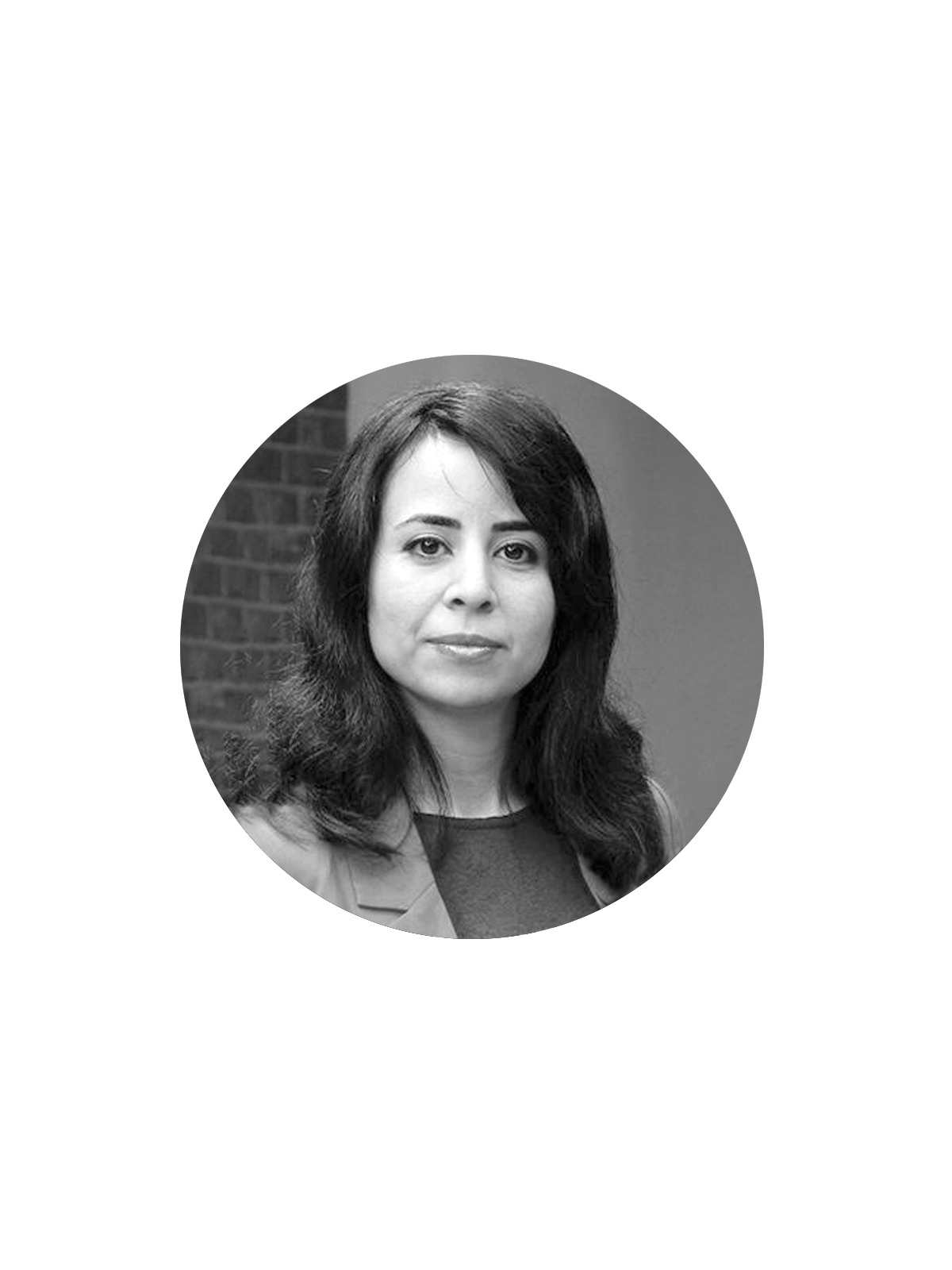
*Dr Ela Zabihi is a senior lecturer in London and committee member of Women for a Free Iran. She has contributed to numerous reports on human rights, with a focus on women’s rights in Iran.
*