
How to make a home safe and accessible for older adults

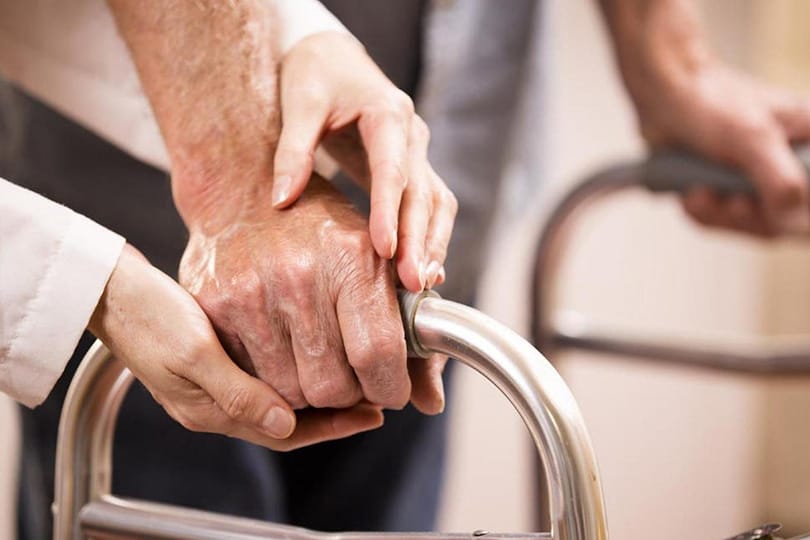
With a majority of the elderly preferring to live in their own homes as long as possible, experts stress the importance of modifications to keep dwellings safe and accessible.
Here's a summary of tips from the National Institute on Aging and AARP, which offers a free room-by-room guide with practical suggestions for older adults living independently.
Entrance way:
Have at least one exterior doorway with step-free access. If not possible, consider a ramp.
Add a bench in the foyer to sit on when removing shoes or to set down items while locking or unlocking the door.
Bathroom:
Install a walk-in shower with a bench and nonskid decals or mats to prevent falls.
Add a hand-held nozzle to the shower head to facilitate rinsing off while seated.
Install grab bars on the shower wall and near the toilet.
Put in a taller toilet or add a toiler riser.
Consider plugging in a nightlight.
Bedroom:
If stairs are too difficult to manage, create a bedroom on the main level by transforming a den or an office.
Make sure the bed is easy to get in and out of.
Purchase bed risers, if needed.
Invest in an adjustable bed for extra comfort.
Kitchen:
Purchase a stove with safety features that alert the resident when a burner is on or have automatic shut-offs.
Relocate major appliances to make them easier to reach.
Add slide-out drawers or trays to existing cabinets for better access.
Install a lever-style, light-touch or sensor faucet, which is easier to use than a faucet with turn-style knobs or handles.
Furniture and rugs:
Get rid of furniture and clutter to make rooms easier to move around in.
Replace chairs with armrests to make it easier to stand and sit.
Avoid furniture with sharp corners, which can cause bruises and cuts when bumped up against.
Hide cords out of pathways — but don’t put them under rugs.
Area rugs, if used, should be secured to the floor with a nonslip mat or anti-slip rug tape.